Outboard Motors Explained: Comprehending Their Functionality and Advantages
Outboard electric motors function as important propulsion units for a variety of vessels. They incorporate an engine, transmission, and propeller into a portable style. Comprehending exactly how these motors run discloses their value in the boating globe. Their various kinds and key components add to their popularity. Yet, numerous boaters might ignore essential maintenance practices. Checking out these elements can cause far better selections and boost one's boating experience. What else exists below the surface?
What Is an Outboard Motor?
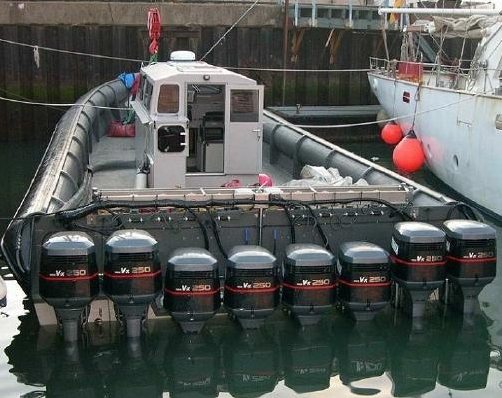
An outboard electric motor is a self-contained unit that integrates a propeller, engine, and transmission , developed to power watercrafts and other boat - outboard motors. Commonly mounted on the transom, it gives movement and ability to move for numerous kinds of vessels, from small angling boats to larger leisure craft. Outboard motors are preferred for their ease of installation and maintenance, as they can be removed from the watercraft when not being used
These motors are available in various sizes and power ratings, suiting various boating needs and preferences. They can be powered by gasoline or electric energy, offering customers options for gas effectiveness and ecological impact. The layout of outboard electric motors permits turning and steering modifications, improving navigational control. In addition, their portability makes them a popular selection among sailors looking for flexibility. On the whole, outboard electric motors play a crucial duty in modern-day boating, allowing a varied variety of aquatic activities.
Just How Do Outboard Motors Work?
Understanding exactly how outboard electric motors run discloses the elaborate auto mechanics behind their performance. At the core of an outboard electric motor is a burning engine, which typically works on gas. When the engine ignites fuel, it generates power that drives the pistons. This linear activity is exchanged rotational motion through a crankshaft.
The propeller, affixed to the lower device, translates this rotational movement into thrust, pushing the watercraft forward. Outboard electric motors additionally feature a cooling system that flows water to stop getting too hot, making certain effective operation.
Control systems, consisting of throttle and gear change levers, enable the driver to manage speed and direction. Additionally, several motors come geared up with functions such as electric begin and trim systems, enhancing customer comfort and efficiency. On the whole, outboard motors combine these mechanical parts to develop a versatile and reliable propulsion system for various watercraft.
Sorts Of Outboard Motors
When taking into consideration the numerous kinds of outboard motors, it comes to be apparent that they can be categorized based on aspects such as source of power, design, and meant use. The primary source of power include gasoline and electrical motors, each offering distinct benefits. Fuel outboards are favored for their greater power output and longer operational range, making them ideal for larger watercrafts and considerable trips. In contrast, electric outboards are progressively preferred because of their quieter operation and environmental advantages, suitable for smaller sized vessels and brief journeys.
Design-wise, outboard motors can be divided into four-stroke and two-stroke engines. Two-stroke electric motors are lighter and less complex yet much less fuel-efficient, while four-stroke engines provide far better gas economy and are more eco-friendly. Furthermore, outboard motors can be categorized by their planned usage, such as leisure, business, or racing, enabling sailors to pick the most suitable alternative for their particular requirements.
Key Parts of Outboard Motors
Outboard motors are composed of numerous vital parts that interact to guarantee effective operation. The engine and fuel system offer the required power, while the propulsion and steering system promote movement and navigating. Understanding these components is essential for anybody seeking to comprehend the performance and performance of outboard motors.
Engine and Gas System

Propulsion and Steering Mechanism
An outboard electric motor's performance is not only established by its engine and gas system; the propulsion and guiding device additionally play critical duties in its procedure. The propulsion system generally contains a prop, which transforms engine power right into thrust, click reference enabling the watercraft to move on or backwards. The layout and pitch of the propeller substantially affect speed and fuel efficiency.
In tandem, the steering device, often a simple tiller or a much more intricate hydraulic system, allows accurate navigating. It permits the driver to control the direction of the motor, therefore steering the vessel effectively. With each other, these elements guarantee that an outboard motor delivers dependable efficiency, making it a necessary facet of boating effectiveness and security.
Benefits of Making Use Of Outboard Motors
While taking into consideration different propulsion options for boats, several lovers find that outboard electric motors supply distinctive benefits that improve both performance and usability. One noteworthy benefit is their flexibility; outboard motors can be quickly placed, removed, or replaced, allowing boaters to change power based on details needs. This versatility makes them appropriate for numerous water conditions and activities, from angling to entertainment cruising.
Additionally, outboard electric motors commonly need much less area than inboard engines, making the most of the usable location on a boat. Their style additionally facilitates enhanced fuel performance, adding to set you back savings with time. Maintenance and repair services are generally more straightforward due to easier accessibility to parts. Several outboard versions are equipped with sophisticated technology, enhancing performance and dependability. In general, the mix of flexibility, space effectiveness, gas economy, and simplicity of upkeep placements outboard electric motors as an appealing choice for boating enthusiasts.
Maintenance Tips for Outboard Motors
Appropriate upkeep of outboard motors is critical for assuring peak efficiency and longevity. Normal evaluations ought to be carried out, concentrating on the gas system, including lines and filters, to stop clogs. The oil degree have to be inspected frequently, with oil adjustments performed as recommended by the producer to keep engine health and wellness. Keeping the propeller cost-free of particles and verifying it is not damaged are likewise vital steps.
In addition, flushing the electric motor with fresh water after each use assists get rid of salt and impurities, which can cause deterioration. Battery terminals need to be cleansed and connections checked to guarantee excellent electric function. It is necessary to store the electric motor in a completely dry area and cover it to shield look these up it from environmental aspects. Routinely consulting the proprietor's handbook for details upkeep schedules and treatments warranties that the outboard electric motor stays in outstanding condition throughout its life-span.
Picking the Right Outboard Electric Motor for Your Requirements
Choosing the right outboard electric motor calls for cautious factor to consider of various elements to confirm it fulfills the specific demands of the individual. First, people should evaluate the kind of boat and its intended use, whether for water, leisure, or fishing sporting activities. This figures out the necessary horsepower and electric motor size. Furthermore, the weight of the boat plays a vital duty in selecting an electric motor that can effectively thrust it.
Customers need to also think about fuel type, as options consist of four-stroke and two-stroke electric motors, each with distinctive benefits concerning performance and maintenance. Assessing the motor's shaft length is vital to guarantee compatibility with the boat's transom elevation.
Users ought to check out brand dependability, service warranty options, and local solution schedule to safeguard their investment. By carefully evaluating these aspects, people can pick an outboard motor that best fits their boating lifestyle and improves their total experience on the water.
Frequently Asked Questions
For How Long Do Outboard Motors Usually Last?
Outboard electric motors normally last between 10 to 15 years, depending on usage, maintenance, and environmental conditions. Routine servicing and proper care can substantially extend their life expectancy, making certain peak efficiency throughout their functional years.
Can Outboard Motors Be Fixed or Are They Non reusable?
Outboard motors can typically be repaired, depending on the extent of damages and schedule of components. outboard motors. While some elements may use out, many electric motors are created for upkeep, allowing for extended use instead than disposal
What Fuel Type Is Finest for Outboard Motors?
The best gas kind for outboard electric motors is commonly unleaded gas, ideally with an ethanol web content of 10% or reduced. This ensures peak efficiency and durability, preventing engine damage and promoting effective burning during operation.
Are Electric Outboard Motors a Viable Choice?
Electric outboard motors are progressively thought about a sensible choice as a result of innovations in battery modern technology, offering quieter procedure and minimized exhausts. Nonetheless, their variety and charging infrastructure remain vital aspects affecting adoption amongst sailors.
How Do I Winterize My Outboard Electric Motor?
To winterize an outboard motor, one must drain fuel, purge the cooling system, include antifreeze, transform the oil, and store it in a dry, safeguarded area to avoid damages from freezing temperatures and dampness.
An outboard motor is a self-contained device that integrates a propeller, gearbox, and engine, made to power boats and various other boat. The engine and gas system are important parts of an outboard motor, directly influencing its performance and effectiveness. An outboard motor's efficiency is not only figured out by its engine and fuel system; the propulsion and guiding device likewise play critical duties in its procedure. Additionally, outboard electric motors commonly need much less area than inboard engines, taking full advantage of the usable area on a watercraft. The finest fuel kind for outboard electric motors is typically unleaded fuel, this website ideally with an ethanol material of 10% or lower.